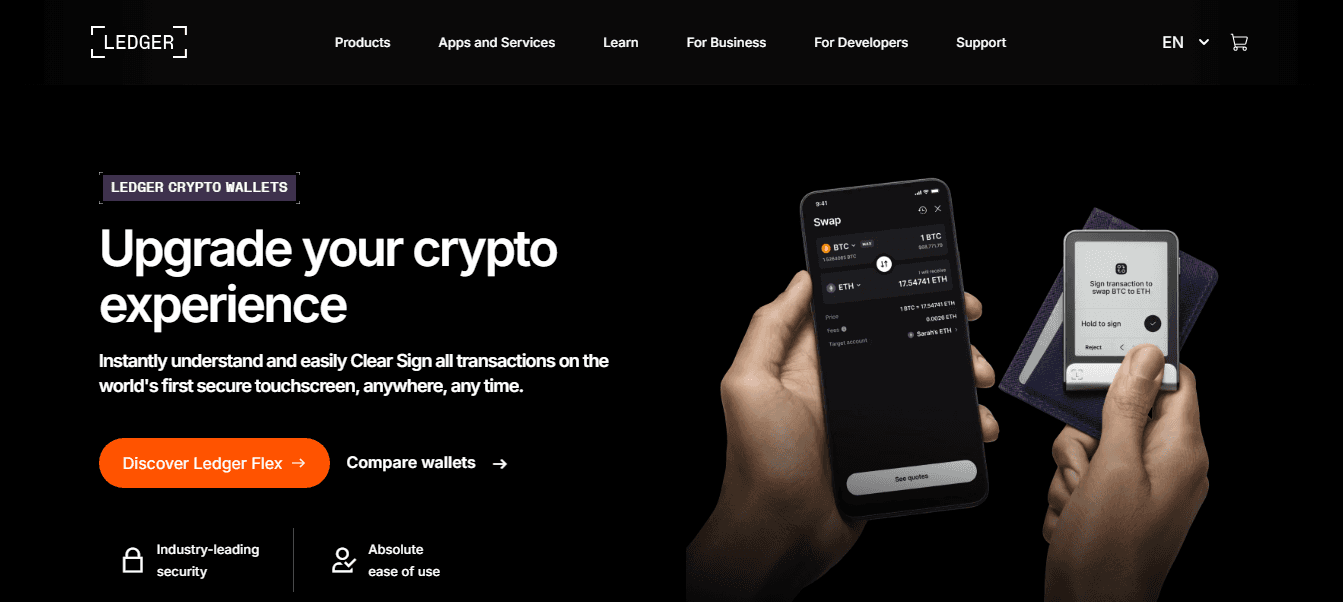
Introduction to Ledger Login
Ledger Login is the official method for accessing Ledger accounts and managing cryptocurrency assets securely through Ledger hardware wallets and the Ledger ecosystem. It serves as the gateway for users to authenticate themselves, manage their funds, and carry out cryptocurrency operations safely. As digital assets grow in popularity, maintaining secure access has become one of the most critical aspects of cryptocurrency management. Ledger Login ensures that only authorized users can interact with their digital assets, protecting funds from potential threats like hacking, phishing, and unauthorized access.
Unlike online wallets or exchange-based logins, Ledger Login prioritizes security by keeping private keys offline within Ledger hardware devices. The login process is not merely about entering credentials; it involves multi-layered authentication methods that protect user assets even in case of malware or device compromise.
Purpose and Philosophy Behind Ledger Login
The primary purpose of Ledger Login is to give users a safe and controlled entry point into their cryptocurrency management system. Ledger strongly emphasizes self-custody, meaning that users retain full control over their private keys. The login system reflects this principle by ensuring that authentication and transaction verification occur locally and securely.
Ledger Login does not store private keys, recovery phrases, or passwords on servers. This design ensures that even if Ledger's servers were compromised, user assets would remain secure. The philosophy behind Ledger Login aligns with the foundational principles of cryptocurrency: decentralization, personal control, and secure ownership of digital assets.
How Ledger Login Works
Ledger Login is typically performed in conjunction with Ledger hardware wallets, such as the Ledger Nano S or Ledger Nano X. The process combines software authentication through the Ledger Live application with physical verification via the hardware wallet.
Here’s how the login workflow generally works:
Connecting the Hardware Wallet: Users connect their Ledger device to a computer or mobile device.
Entering PIN: A user-defined PIN on the hardware wallet ensures that unauthorized individuals cannot access the device.
Authentication through Ledger Live: The user accesses Ledger Live or another approved Ledger interface.
Verification on Device: Critical actions, including login and transactions, must be verified physically on the hardware wallet.
This multi-step approach ensures that even if a computer is infected with malware, funds cannot be accessed or moved without the user’s explicit approval on the device.
Security Features of Ledger Login
Security is the core aspect of Ledger Login. Several features are designed to prevent unauthorized access and protect digital assets:
Offline Private Key Storage: Private keys never leave the Ledger hardware wallet, keeping them isolated from online threats.
PIN Protection: Every hardware wallet requires a PIN to access the device. This provides an additional layer of security.
Recovery Phrase: Ledger Login works in conjunction with the recovery phrase, which acts as a backup to restore access if the device is lost or damaged.
Transaction Verification: Any transaction initiated through Ledger Live requires confirmation on the device itself.
Phishing Resistance: Ledger Login includes mechanisms to prevent phishing attacks and unauthorized attempts to access funds.
By combining these features, Ledger Login ensures that users maintain complete control over their digital assets in a highly secure environment.
Step-by-Step Guide to Ledger Login
Connect Your Ledger Device: Plug your Ledger hardware wallet into your computer or mobile device using USB or Bluetooth (for supported devices).
Enter Your PIN: Access the device by entering your personal PIN. This prevents unauthorized users from gaining access.
Open Ledger Live: Launch the Ledger Live application, which serves as the main interface for managing accounts.
Authenticate Through Ledger Live: Select the appropriate account to access and verify ownership using your hardware wallet.
Approve Actions on Device: Any login confirmation or transaction requires approval on the device itself to prevent unauthorized activity.
Following these steps ensures that users can securely log in to their Ledger accounts while keeping their assets safe from cyber threats.
Best Practices for Using Ledger Login
To maximize security while using Ledger Login, users should follow these best practices:
Always Keep Your Device Secure: Store your Ledger hardware wallet in a safe location and avoid leaving it connected to public or untrusted devices.
Use Strong PIN Codes: A strong, unique PIN helps prevent unauthorized access.
Secure Your Recovery Phrase: The recovery phrase must be stored offline and in a secure location. It should never be shared or stored digitally.
Verify Transactions Physically: Always approve actions on the hardware wallet screen, ensuring accuracy and preventing manipulation.
Keep Firmware Updated: Regular updates ensure the hardware wallet and software remain protected against new vulnerabilities.
Adhering to these practices helps maintain the security and integrity of cryptocurrency holdings.
Common Mistakes to Avoid
Many cryptocurrency users compromise security unintentionally by making common mistakes. Ledger Login helps mitigate these risks, but users should also remain vigilant:
Using Unverified Devices: Only use official Ledger hardware wallets to prevent tampering.
Storing Recovery Phrases Online: Avoid storing the recovery phrase in email, cloud storage, or other online platforms.
Sharing PINs or Recovery Phrases: Never disclose these to anyone, even trusted contacts.
Ignoring Device Verification: Always confirm transactions and logins on the hardware wallet screen.
Skipping Firmware Updates: Outdated firmware can create vulnerabilities that compromise security.
Awareness of these common errors can significantly improve the safety of using Ledger Login.
Multi-Asset and Multi-Account Access
Ledger Login supports access to multiple cryptocurrency accounts and assets simultaneously. Users can manage Bitcoin, Ethereum, and a wide range of altcoins through a single device and interface. Each account can be organized separately, allowing users to track investments, spending, and trading activities effectively.
This feature is especially useful for users who manage large portfolios or diverse holdings, ensuring that all assets are securely accessible and fully under the user’s control.
Recovery and Access Restoration
In the event that a Ledger device is lost or damaged, access to assets can still be restored using the recovery phrase. Ledger Login works with the recovery phrase to recreate the user’s wallet on a new device.
The recovery process requires entering the 24-word phrase in a secure manner, which restores all accounts and assets. This system ensures that users never permanently lose access to their digital wealth while keeping security intact.
Privacy Considerations
Ledger Login is designed with privacy in mind. Users are not required to provide personal information or verify their identity online. Authentication and access are entirely device-based, minimizing exposure to third-party tracking or data collection.
By keeping sensitive information offline and ensuring that the hardware wallet handles all critical operations, Ledger Login provides a privacy-focused solution for cryptocurrency management.
Who Should Use Ledger Login
Ledger Login is suitable for anyone holding cryptocurrency assets and using a Ledger hardware wallet. It is particularly beneficial for:
Beginners: The guided interface helps users safely access and manage their digital assets.
Experienced Investors: Offers advanced features and multi-account management while ensuring security.
Privacy-Conscious Users: Requires no personal data for authentication, protecting user identity.
Long-Term Holders: Provides a secure, reliable way to maintain access to cryptocurrency assets over time.
Ledger Login ensures that users of all experience levels can safely and efficiently access their cryptocurrency holdings.
Conclusion
Ledger Login is a critical component of the Ledger ecosystem, providing secure access to hardware wallets and cryptocurrency accounts. By combining offline key storage, multi-layer authentication, and physical verification, Ledger Login ensures that users maintain full control over their digital assets.
With strong security architecture, multi-account support, and privacy-focused design, Ledger Login is ideal for beginners, experienced investors, and anyone seeking reliable cryptocurrency management. Following best practices such as secure storage, recovery phrase protection, and transaction verification ensures that assets remain safe from threats.
Ultimately, Ledger Login enables users to access, manage, and control their cryptocurrency holdings confidently and securely, forming a cornerstone of responsible self-custody and digital financial independence.